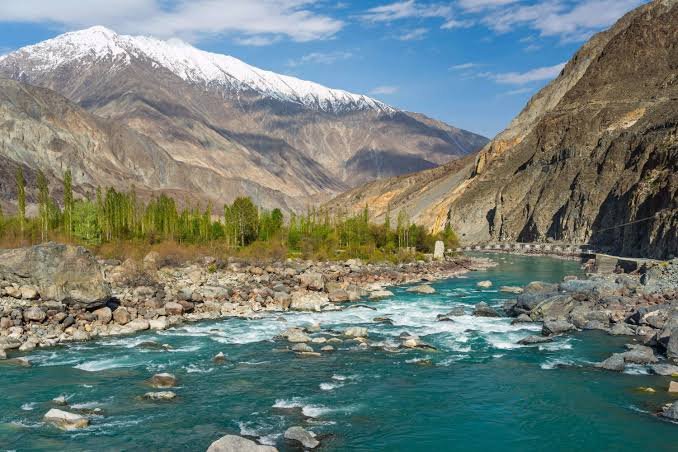

Gilgit-Baltistan is a spectacular mountain region in northern Pakistan, known for its towering peaks, clear lakes, glaciers, historic forts and welcoming communities. Three great mountain systems—the Himalaya, Karakoram and Hindu Kush—shape its dramatic landscapes. Whether you enjoy scenic road trips, trekking, history or peaceful village stays, Gilgit-Baltistan offers many ways to explore the mountains. e-tourism.visitgilgitbaltistan.gov.pk
A Region of High Peaks and Deep Valleys
The region’s landscapes change dramatically from one district to another. Rugged mountains rise above river valleys, while glaciers feed streams that flow past villages, orchards and fields. Gilgit-Baltistan is home to many of the world’s highest peaks, including K2, Nanga Parbat, Broad Peak and the Gasherbrum mountains. Their scale draws mountaineers from around the world, while travellers who prefer gentler adventures can enjoy lakeside views, village walks and scenic drives.
Gilgit-Baltistan includes ten districts, each with its own character, traditions and attractions. The official tourism department highlights destinations ranging from Hunza and Skardu to Astore, Ghizer, Nagar, Shigar, Ghanche and Diamer. This variety makes it easy to plan a trip around different interests, from cultural heritage to outdoor adventure. CONTACT US
Hunza: History and Mountain Views
Hunza is among the region’s best-known destinations, attracting visitors with its mountain scenery, traditional settlements and historic forts. Baltit Fort and Altit Fort offer a glimpse into local history and architecture, while Karimabad provides a convenient base for exploring nearby viewpoints and villages.
Further north, Upper Hunza and Gojal reveal a different side of the region. Passu is known for the pointed peaks of the Passu Cones, while Attabad Lake draws visitors with its brilliant blue water and opportunities to enjoy the lakeside scenery. Travellers continuing along the Karakoram Highway can visit Sost and, subject to access conditions, travel towards Khunjerab Pass on the Pakistan–China border.
Skardu, Shigar and the Baltistan Region
Skardu is a key centre for exploring Baltistan and the high Karakoram. Nearby attractions include Kachura Lakes, Sadpara Lake, Kharpocho Fort and Katpana Cold Desert. The contrast between lakes, mountains and sand dunes gives the area a distinctive landscape. Skardu is also an important starting point for major mountaineering and trekking journeys.
Shigar Valley offers a memorable combination of natural scenery and heritage. Shigar Fort, a restored historic palace, provides insight into traditional Balti architecture. The nearby Sarfaranga Cold Desert is known for its high-altitude dunes and dramatic mountain backdrop. Farther into the Karakoram, routes from the Shigar region lead towards Baltoro Glacier, Concordia and K2 Base Camp—challenging expeditions that require careful preparation and experienced local support.
Astore, Deosai and Fairy Meadows
Astore is known for green valleys, forested slopes and high mountain scenery. Rama Meadows is a popular place to enjoy open pastures and views, while nearby Rama Lake rewards visitors who are ready for a hike. Astore also provides access towards Deosai National Park, a vast alpine plateau shared by the Astore and Skardu regions. e-tourism.visitgilgitbaltistan.gov.pk
Fairy Meadows is another iconic destination, famous for its views of Nanga Parbat. Reaching the meadows involves a road journey, a local jeep ride and a hike, so the journey itself becomes part of the adventure. Visitors can stay overnight, explore the surrounding trails or continue towards Beyal Camp and Nanga Parbat Base Camp with suitable preparation.
Ghizer and the Valleys of Water
The district of Ghizer is a rewarding choice for travellers who enjoy lakes, rivers and quieter mountain landscapes. Phander Valley is known for its clear lake, green meadows and fertile fields. Gupis, Ishkoman and Yasin offer more opportunities to experience the region’s village life and mountain scenery. Shandur Pass, a high alpine plateau between Chitral and Gilgit-Baltistan, is famous for its traditional polo festival. At around 3,700 metres, it provides a dramatic setting for the matches and a gathering that celebrates regional culture. dgipr.kp.gov.pk
Culture, Food and Local Hospitality
Gilgit-Baltistan is culturally diverse. Languages, food, music, clothing and festivals vary across its districts and communities. Visitors may hear languages such as Shina, Balti, Burushaski, Wakhi and Khowar, alongside Urdu. Local traditions are closely connected to the landscape, seasonal farming and community life.
Trying regional food is one of the pleasures of travelling here. Depending on the area, visitors may find dishes such as mamtu, local breads, noodle-based meals, apricot products and traditional teas. Local guesthouses and homestays can provide opportunities to learn about everyday life and enjoy warm hospitality. Ask before photographing people or cultural events, and follow local guidance when visiting villages or religious sites.
Things to Do in Gilgit-Baltistan
The region offers activities for different types of travellers. Popular choices include:
- Trekking and hiking on routes ranging from village trails to glacier expeditions
- Boating and relaxing beside lakes
- Visiting forts, museums, historic sites and traditional settlements
- Photography and scenic drives through mountain valleys
- Camping, fishing and other outdoor experiences where locally permitted
- Attending cultural events and seasonal festivals
High-altitude routes and glacier treks require proper planning, fitness, equipment and experienced guides. For a more relaxed trip, choose accessible lakes, forts, viewpoints and village experiences.
Best Time to Visit
The best time to visit depends on your route and activities. Many high-altitude areas are most accessible during the warmer months, while spring brings blossoms to lower valleys and autumn colours the orchards. Winter can bring heavy snow and difficult road conditions, particularly on high passes. Weather can change quickly in the mountains, so check local forecasts and road updates before travelling. The Gilgit-Baltistan Tourism Department advises visitors to confirm current conditions with relevant authorities before setting out. GILGIT-BALTISTAN ⚠️
Plan a Responsible Mountain Journey
Distances in Gilgit-Baltistan can take longer to cover than they appear on a map. Build extra time into your itinerary, especially when travelling through remote valleys or crossing mountain routes. Carry warm clothing, water and essential medicines, and keep some cash available for places with limited services.
Travel respectfully by supporting local businesses, following community customs and leaving natural areas clean. Avoid disturbing wildlife, glaciers and fragile high-altitude environments. A thoughtful approach helps protect the region while supporting the people who call it home.
Final Thoughts
Gilgit-Baltistan is a destination where every journey can bring a new landscape: a historic fort above a valley, a turquoise lake beneath snowy peaks, or a remote trail leading into the Karakoram. Its blend of natural beauty, cultural diversity and adventure makes it one of Pakistan’s most memorable regions to explore. Take time to travel slowly, connect with local communities and enjoy the remarkable variety of the mountains.
0 Comment